If you’re like us, you planted your flowers Mother’s Day weekend. Even with Colorado’s unpredictable springs, that date is generally in the clear for a hard frost. It has snowed as late as Father’s Day, but you have to live your life and try not to think about snow in June. We planted our winter squash, corn, and beans on May 1st because the forecast looked warm and damp. Flowers went in the ground and indoor-started veggies moved outside on May 7th or 8th. Yesterday it was 88°, but today, May 20th, we could get 3-5 inches of snow and the forecast calls for an overnight low of 28°. Tomorrow, the low is 30° and then things start to warm up to the mid-50s by Monday and 70° by Wednesday, with lots of rain between now and then. The precipitation is more than welcome, but the cold makes us worry about the garden. We take comfort in data, so we went in search of how cold is too cold for our plants.
Here’s the breakdown of how cold affects our homestead, by the numbers.
Bees
Our honeybees pulled through the winter, but we just split them into a second colony about ten days ago. We’re a little worried about the queenless hive being able to keep all the brood and queen cells warm enough, but the split, which has the queen and a smaller nest, should be fine.
- 41°: the body temperature at which a bee will die.
- 93°: the average temperature at the center of the winter cluster, with brood present.
- 57°: the temperature at which bees form a tight cluster
- 45-50°: the temperature at which bees enter a state of torpor
Dampness and wind are more likely to harm bees than the cold is.
 Garden
Germination and seedling growth are highly dependent on water and soil temperature.
- 25°: hard freeze
- 28°: for 5 hours: the temperature at which most plants will freeze
- 32°: the temperature at which most seedlings will die.
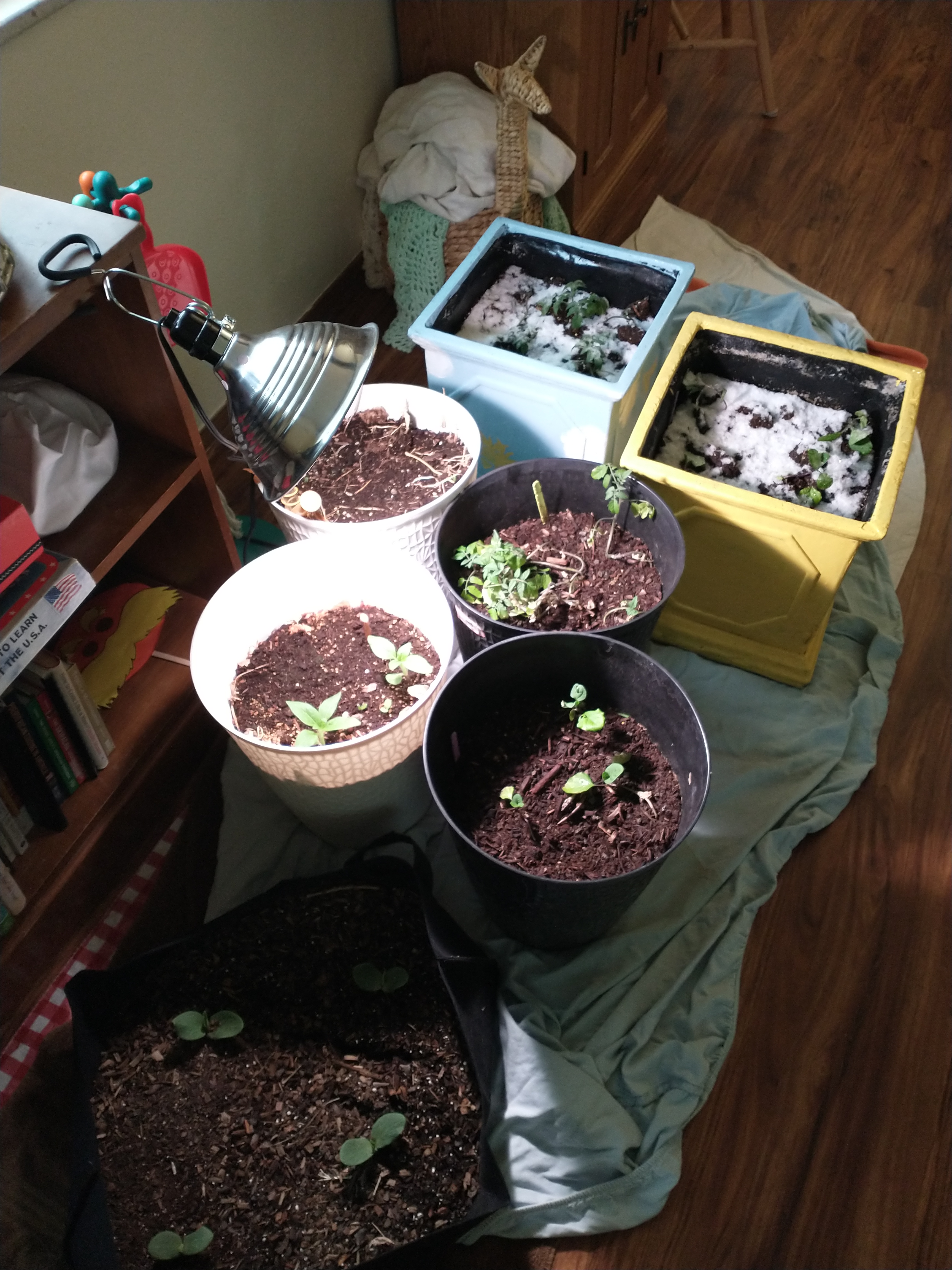
Evaporation will help raise the air temperature around the plants, so watering deeply in the evening can help, as can covering plants before the colder air sets in. We are using the alpacas’ pool, beach towels, tarps, outdoor blankets, old sheets—basically anything we can find—and I’m running the clean towels and sheets through the dryer first for good measure. And then I’m saying a prayer.
I feel really lucky that I decided to plant peppers, tomatoes, and eggplants in the patio garden because I can move these more heat-loving plants inside for the weekend. I just have to keep the toddler out of them.
 Orchard
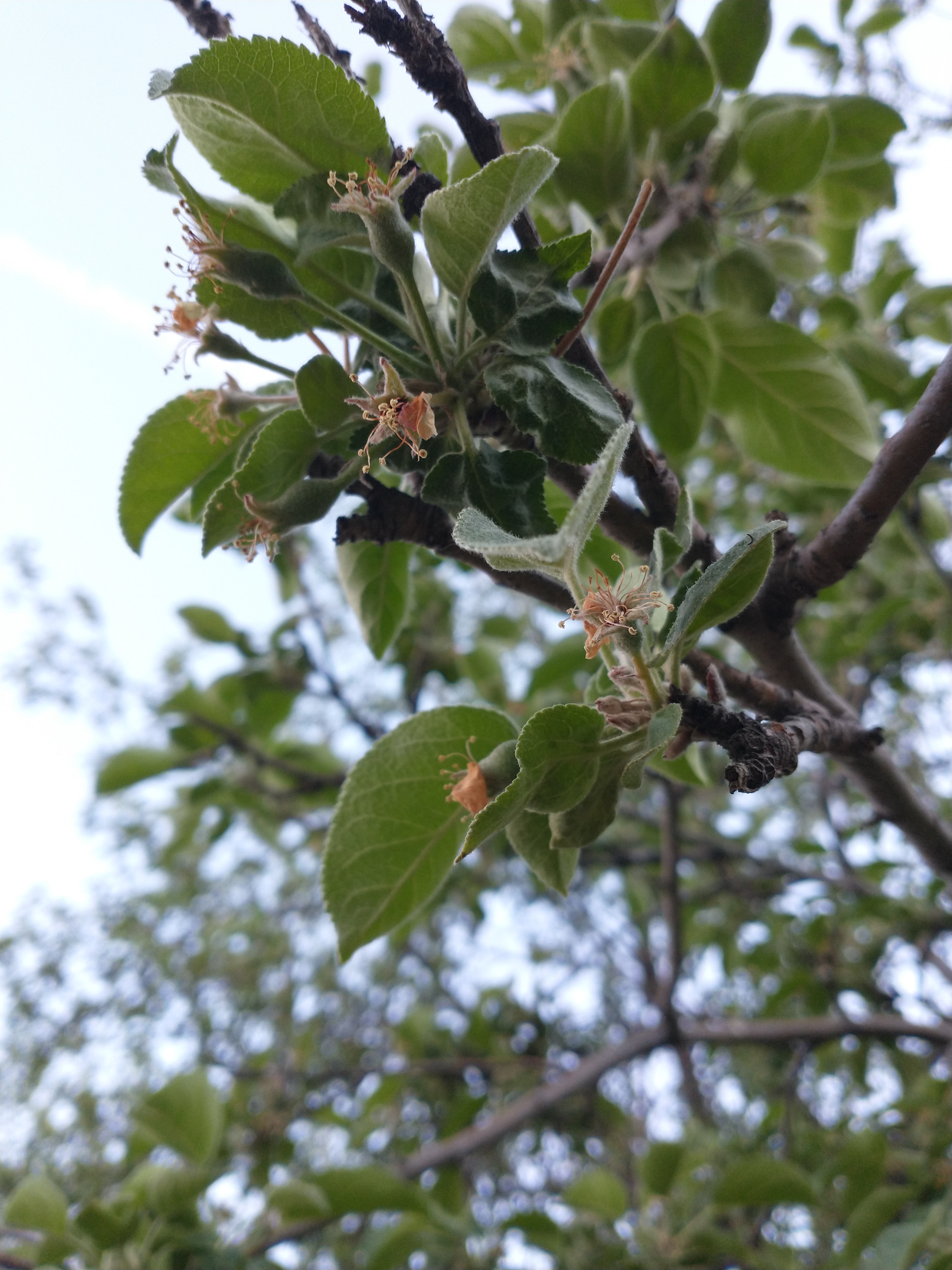
Our apple and pear trees are beyond the flowering stage and it looks like many of the blossoms have been pollinated (thanks, bees!). Julio found this guide to critical temperatures for fruit trees. It looks like our trees should be okay, for the most part, and enjoy a drink from all the precipitation.
- 28°: the temperature at which 10% of buds will die.
- 25°: the temperature at which 90% of buds will die.
Alpacas
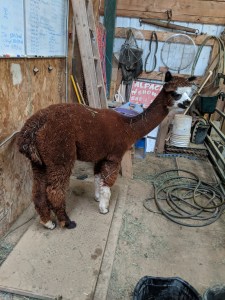
- 2 inches: how much fleece each alpaca has grown on her torso right now.
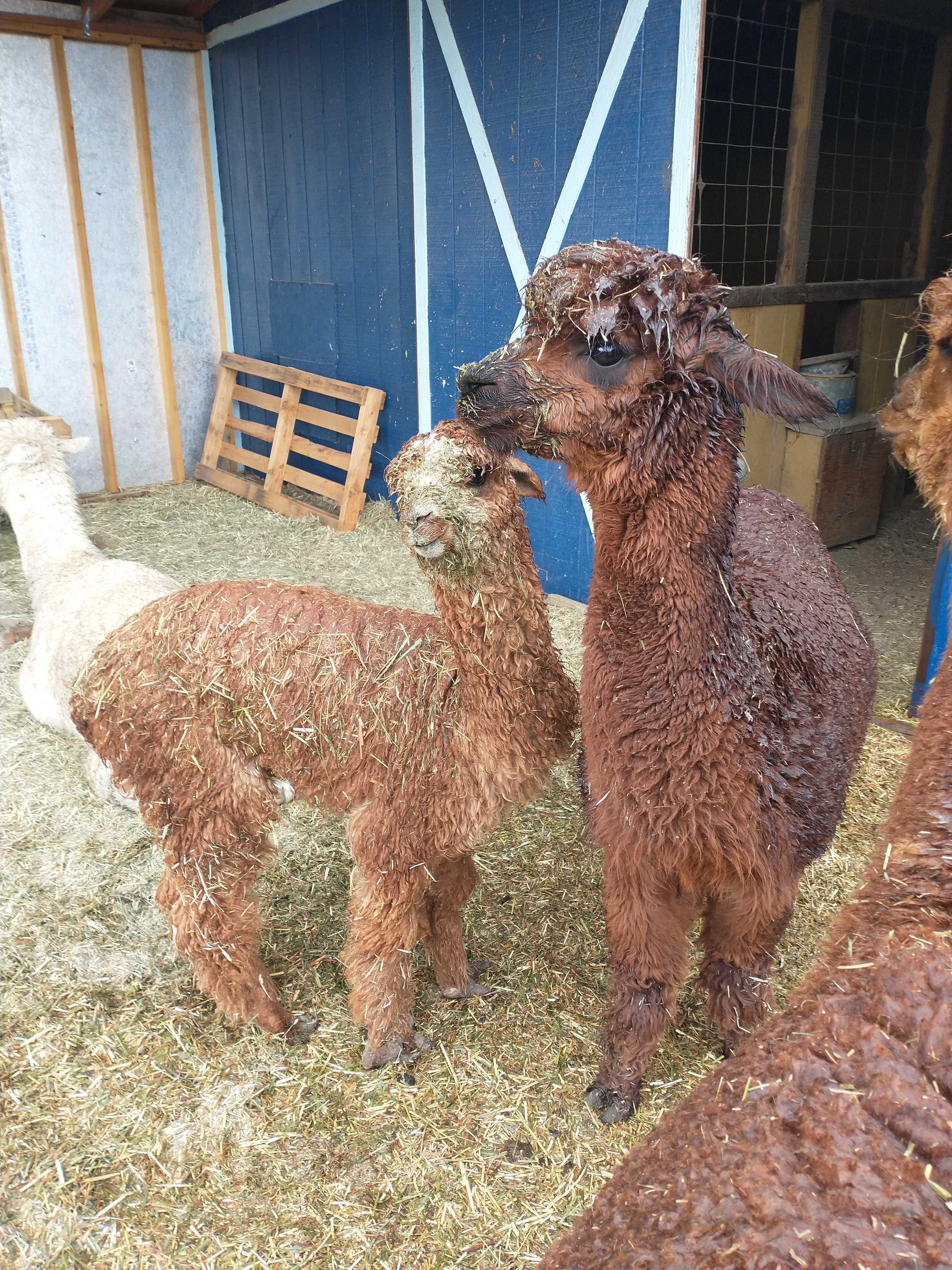 They’re wet, but probably enjoying a break from being hot. Alpacas can tolerate very cold temperatures, provided they have a windbreak.
I was in the middle of writing this when the snow started, so I had to run outside and cover the babies. Now, I’m sipping stress relief tea and praying for the garden while taking deep breaths. Best wishes to you, fellow Front Range gardeners.
We will update here with how the forecast played out and if our plants survived.
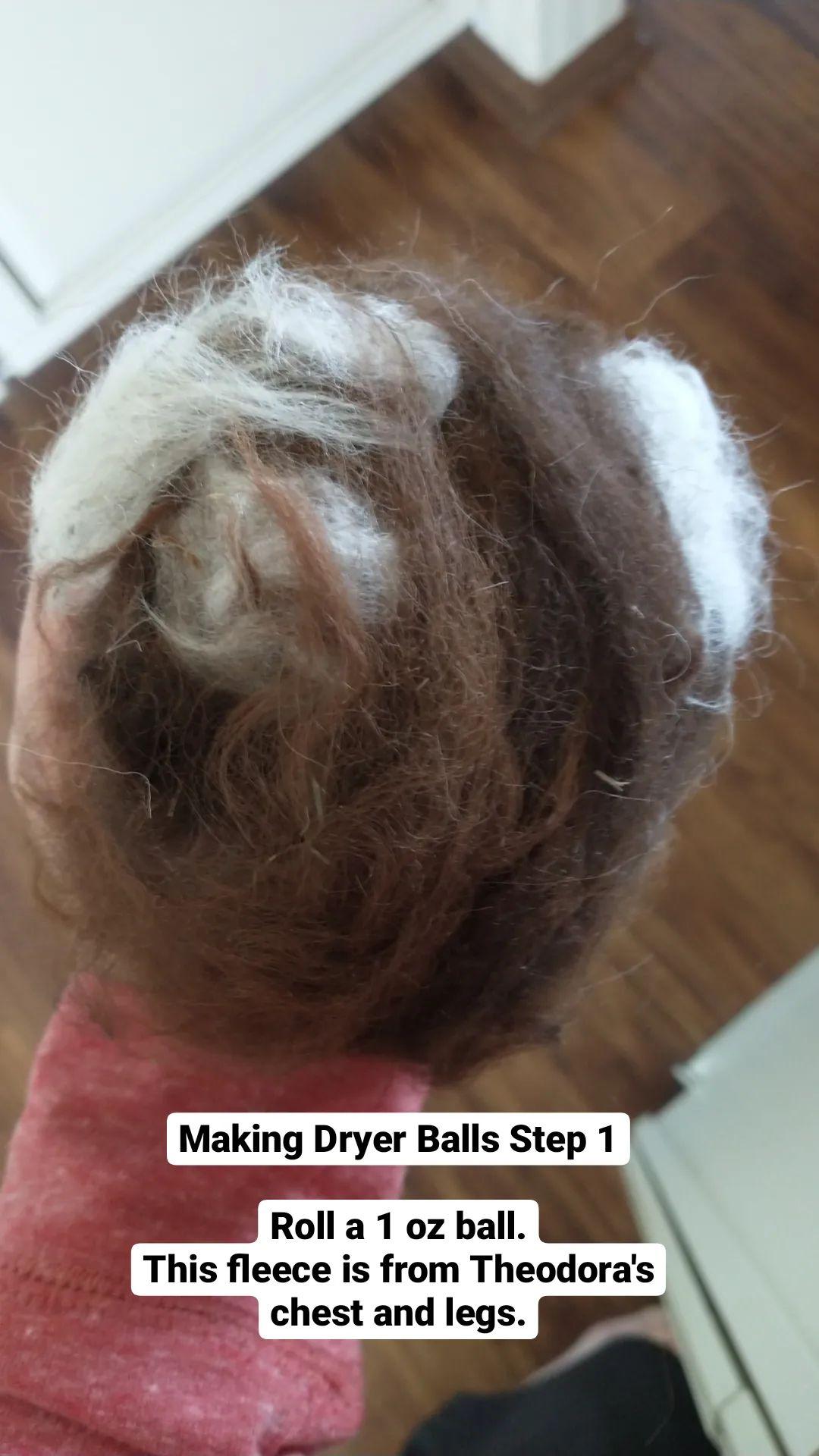 First, we wash the fleece. For this batch of dryer balls, I used Theodora’s seconds. I washed the fleece twice until the water ran clean, then plucked any remaining hay out with tweezers.
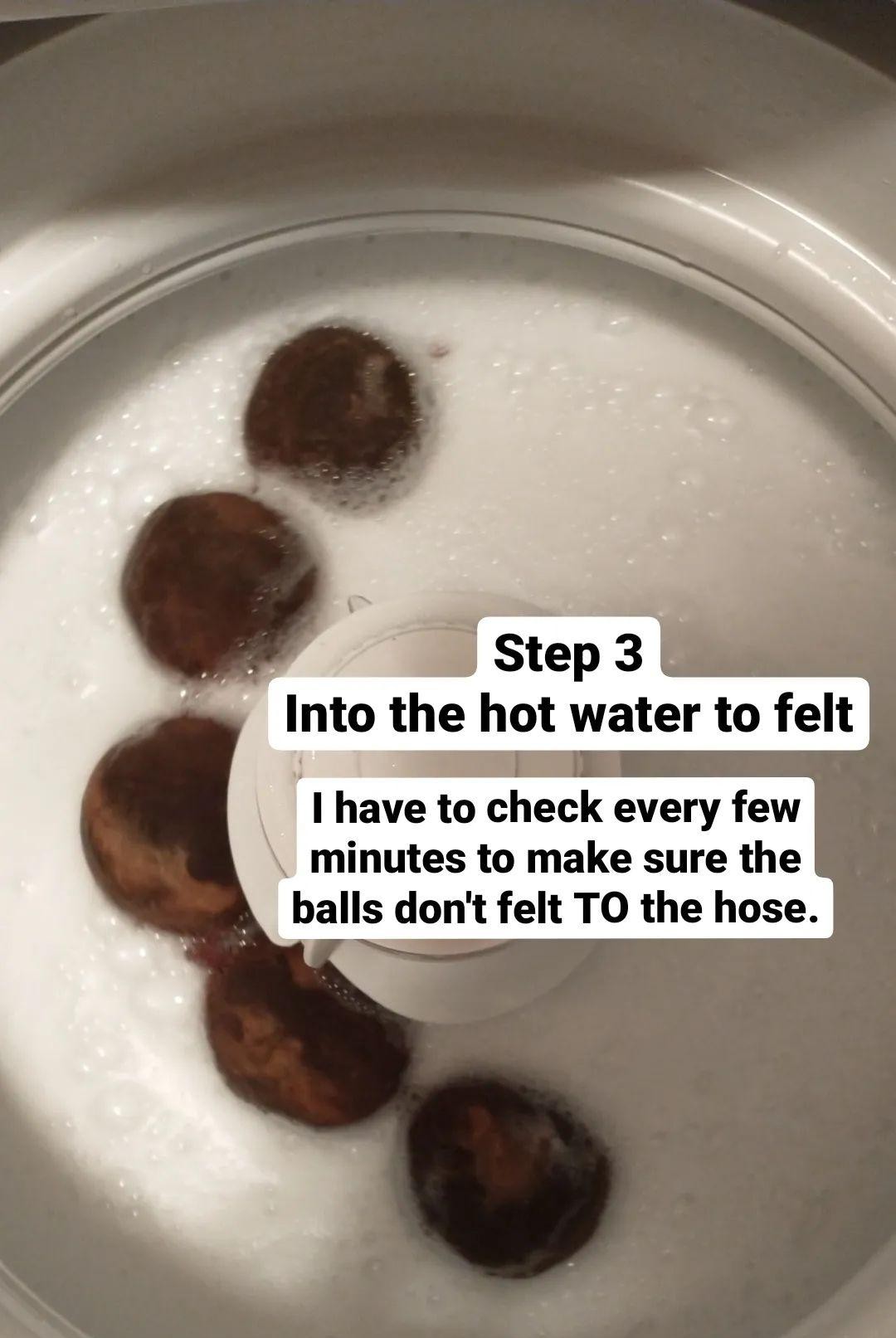
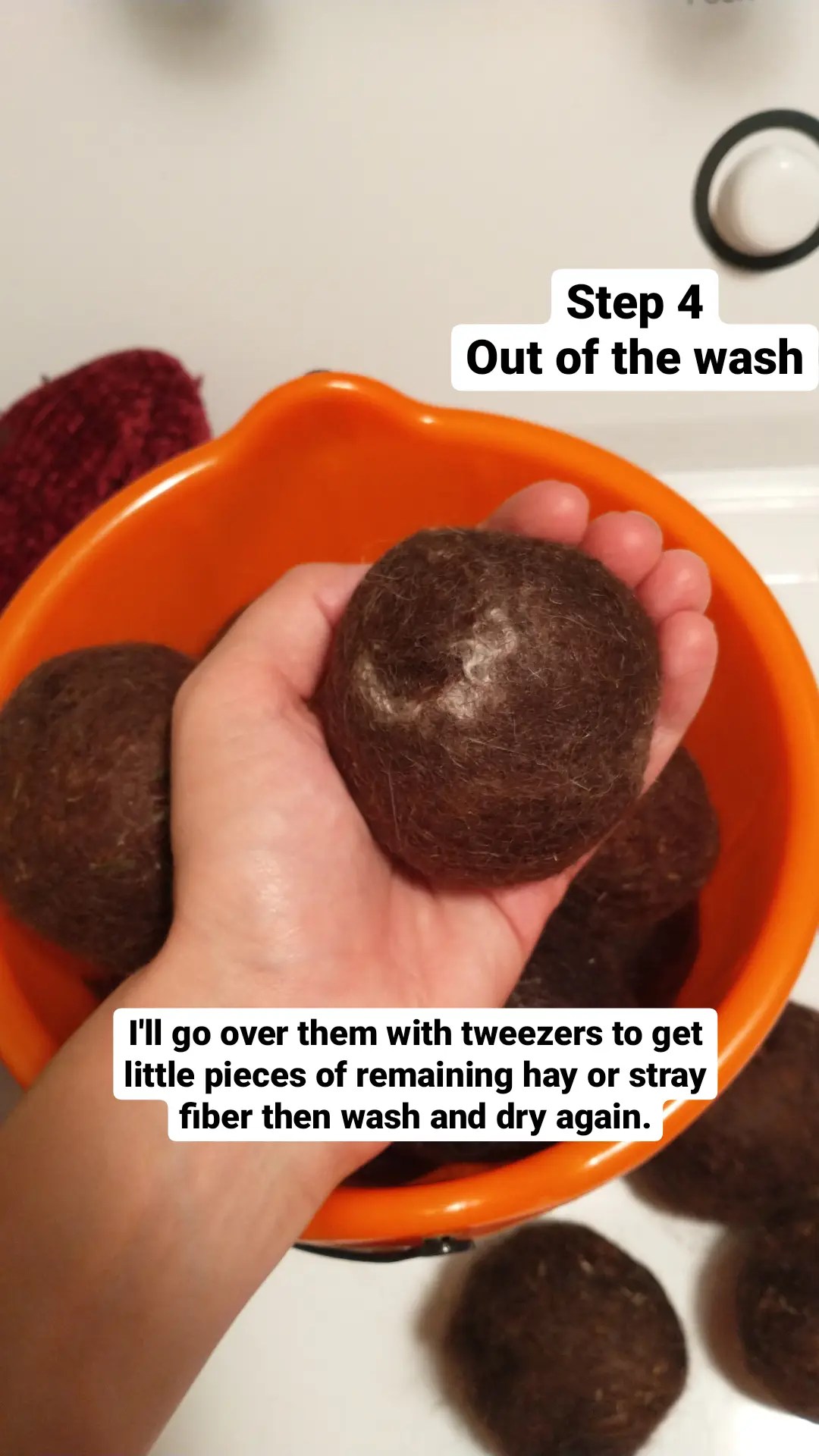 Alpaca Dryer Balls will be available at our market days for $15 for a set of three. Any balls that do not pass quality control will be available at a discounted $3/each. We think they’d make nice toys for your cats or dogs. Follow us on Instagram
 Brush the Alpacas Before Shearing Them
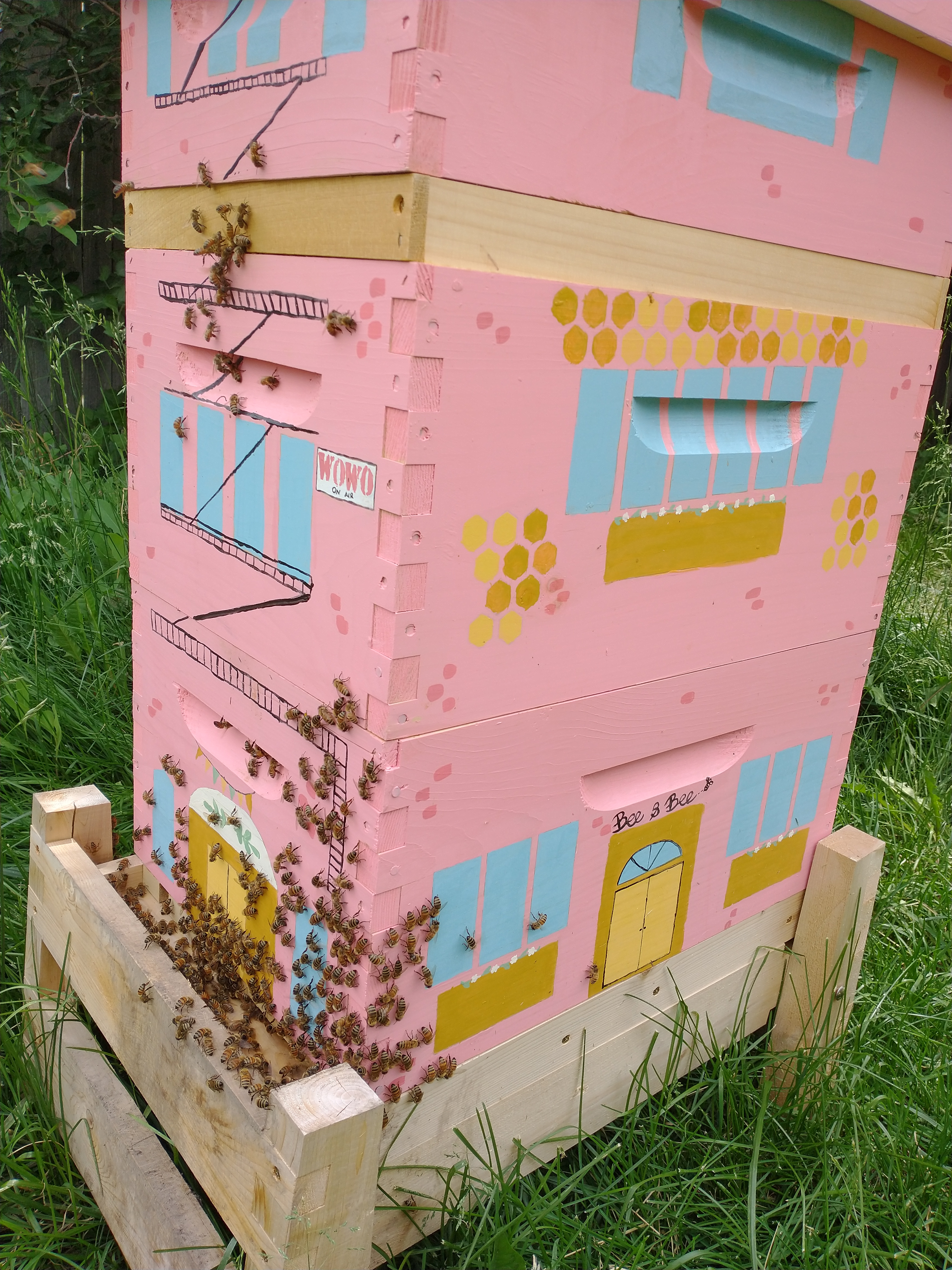 One of the biggest disappointments we had this year had to do with the beehive. Kasey keeps our bees and this is her first year. She got the bees on May 2nd and now wishes that she had immediately tested the bees for mites and treated them, but she was new and nervous about it and it took a few weeks to get used to working with them before she was ready to check for mites. She did so the third week of May and the mite count was really high. If she had understood her options better, she probably would have used Formic Pro, but she didn’t understand that the temperature restrictions were just for the first three days. Knowing that it would soon be really hot, she instead used Apivar, adding it May 25 and removing it on July 20th.
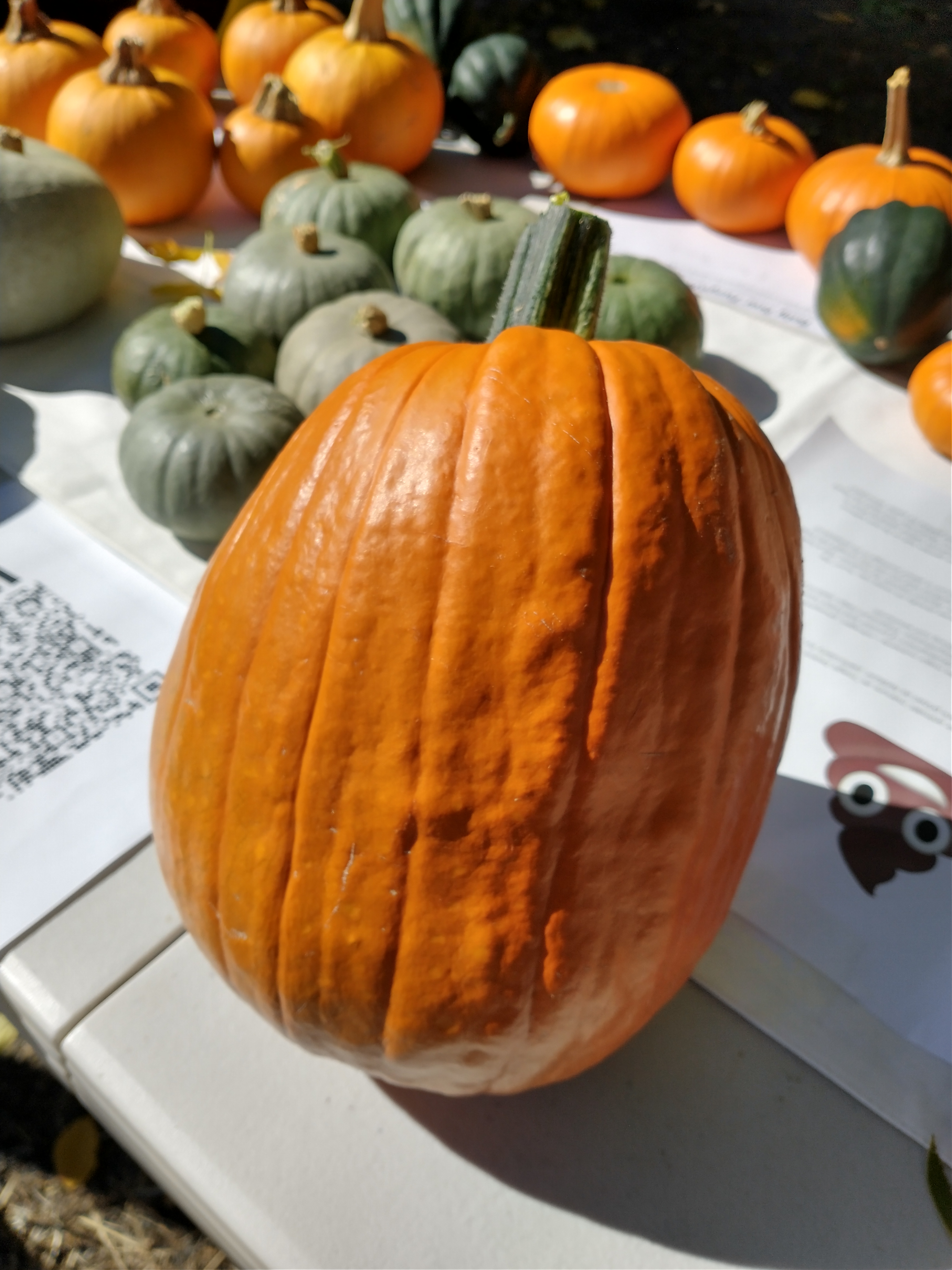
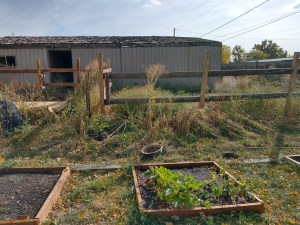
  The garden grew SO. MUCH. BETTER. this year overall. We grew a delicious assortment of winter squash and pumpkins, patty pan squash, zucchini, greens, some tiny carrots, green beans. The Harvest Moon Squash was a variety we’d never tried before and it was delicious when stuffed and baked.
  When we cleaned out the barn, it produced a giant mound of old, old horse manure. We were able to give a lot of it away for people to compost, but Kasey also used a lot to create a base layer for flowerbeds around the edge of the horse run. The plan was to grow wildflowers there to support pollinators. Her dream is to have lush perennial wildflower garden that takes not that much maintenance. She planted lavender, sunflowers, apache plume, Veronicas, and cone flowers there. The lavender was really the only thing that grew. Everything else scorched. She needs to test the soil, but it seems like the soil is too hot. The plan is to mulch it over the winter to draw out some of the nitrogen, but it was a good lesson in checking soil PH.
  It is autumn and we have pulled up the last of our tired squash vines. The pots and garden tools are tucked away in the tack room and Julio is busy getting the barn ready for our herd of alpacas. 2020 has been a wild, difficult year in many respects, but here on Sol Homestead, we have so much to be thankful for. Our first year produced a puny harvest from the garden, but our family and our homestead still grew and we have a better idea of what we need to do to succeed next year.




 Sol Homestead LLC